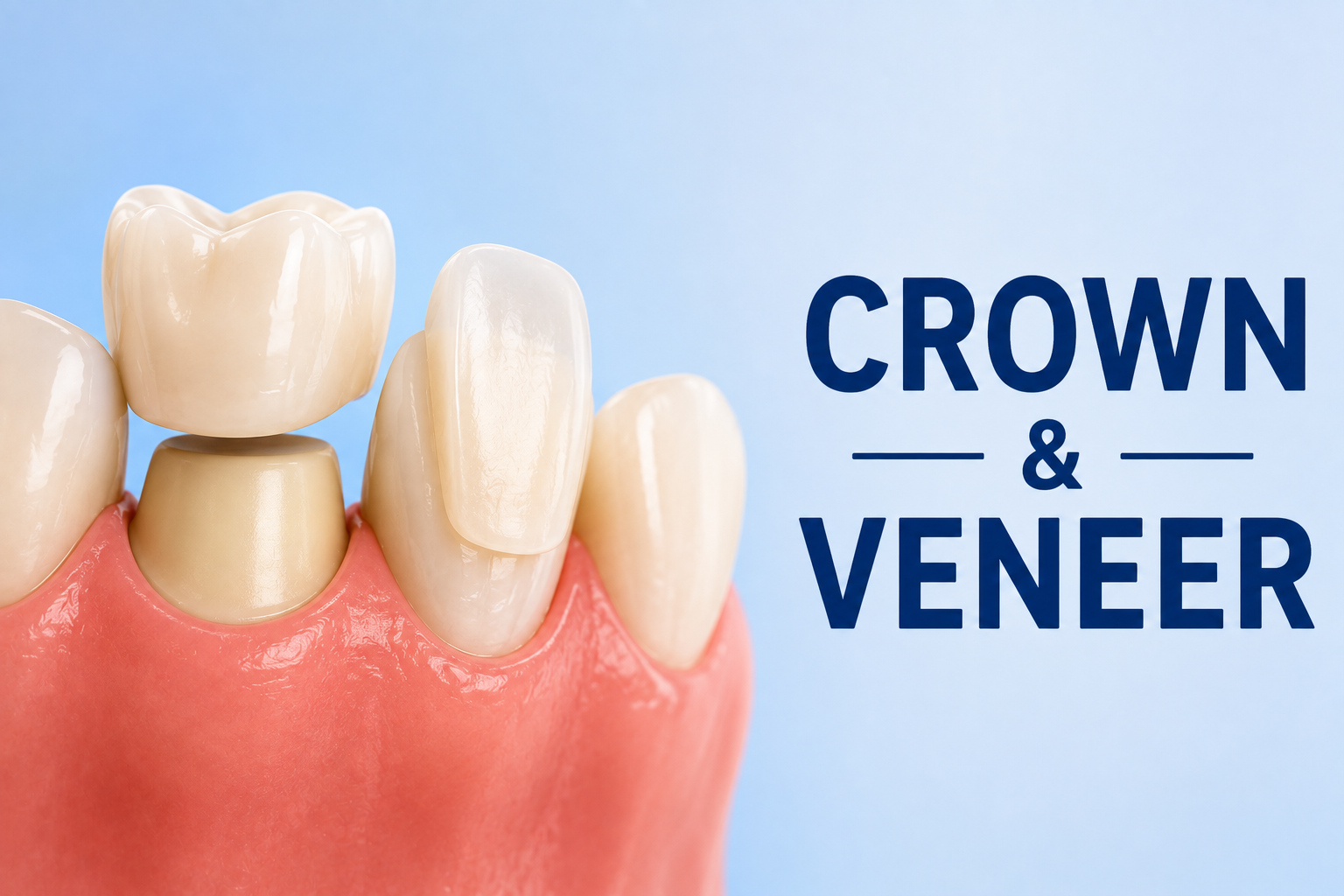
Crown and Veneer
Rapid oral tissue biopsy for accurate histopathological diagnosis of suspicious lesions, lumps, or ulcers — performed under local anaesthesia.
Crown
A crown is a “cap/cover” that fits over the damaged tooth to restore strength and prevent further decay. A crown may also be used to hold a dental bridge in place. Crowns are available in a variety of materials, each with its own benefits and drawbacks. Some common materials used include gold alloy or other alloy materials, porcelain, and porcelain fused to metal or zirconium, emax.
Why we do crown?
Zirconium Crown:
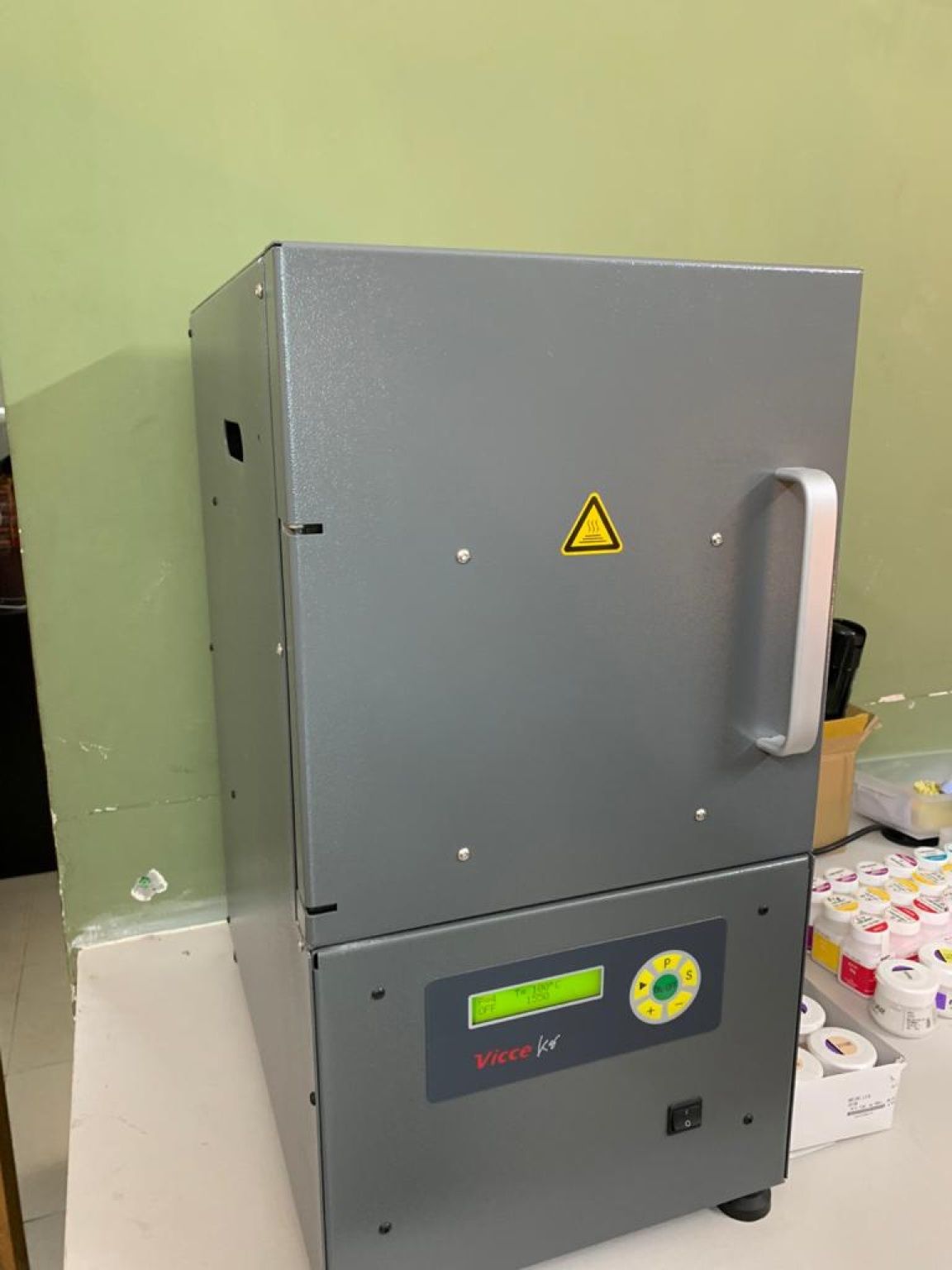
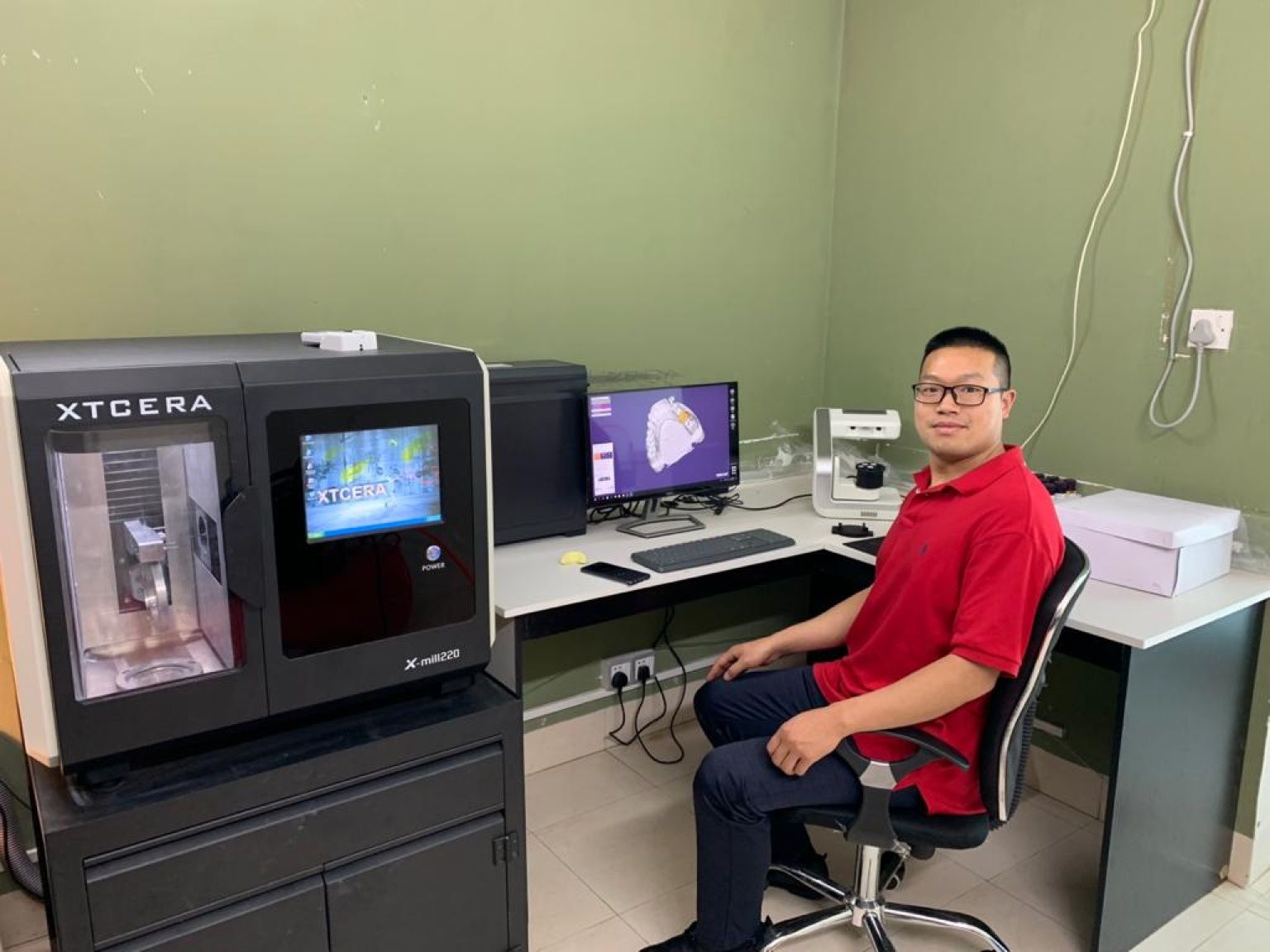
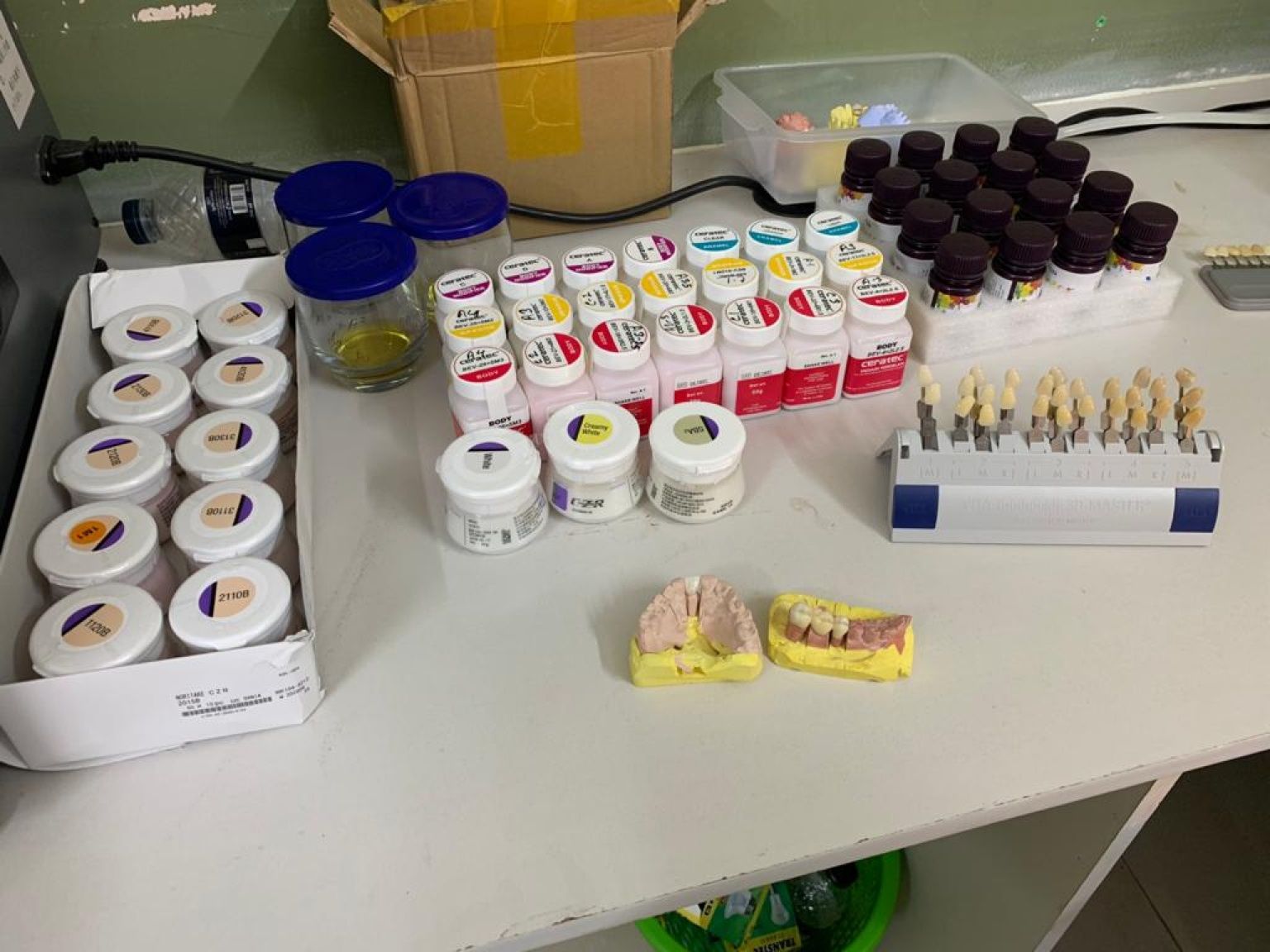
This is a very latest type of crown/Bridge. It is long lasting, Metal free, Nontoxic and fully asthetic. Zirconium crown/Bridge prepared on well-equipped 3D CAD-CAM lab.
Veneer
Porcelain veneers are also called laminates. These dental devices are a thin, custom-made covering that conceals the front and side surfaces of the damaged tooth. This option is quite popular because less tooth structure has to be removed to place a veneer.
Procedure Steps
Assessment
Clinical assessment of the lesion — size, colour, texture, duration, and associated symptoms.
Anaesthesia
Local anaesthetic applied for a completely comfortable procedure.
Tissue Sample
Small tissue sample taken using a biopsy punch, scalpel, or laser.
Lab Analysis
Sample sent to histopathology laboratory. Results reviewed and treatment planned.
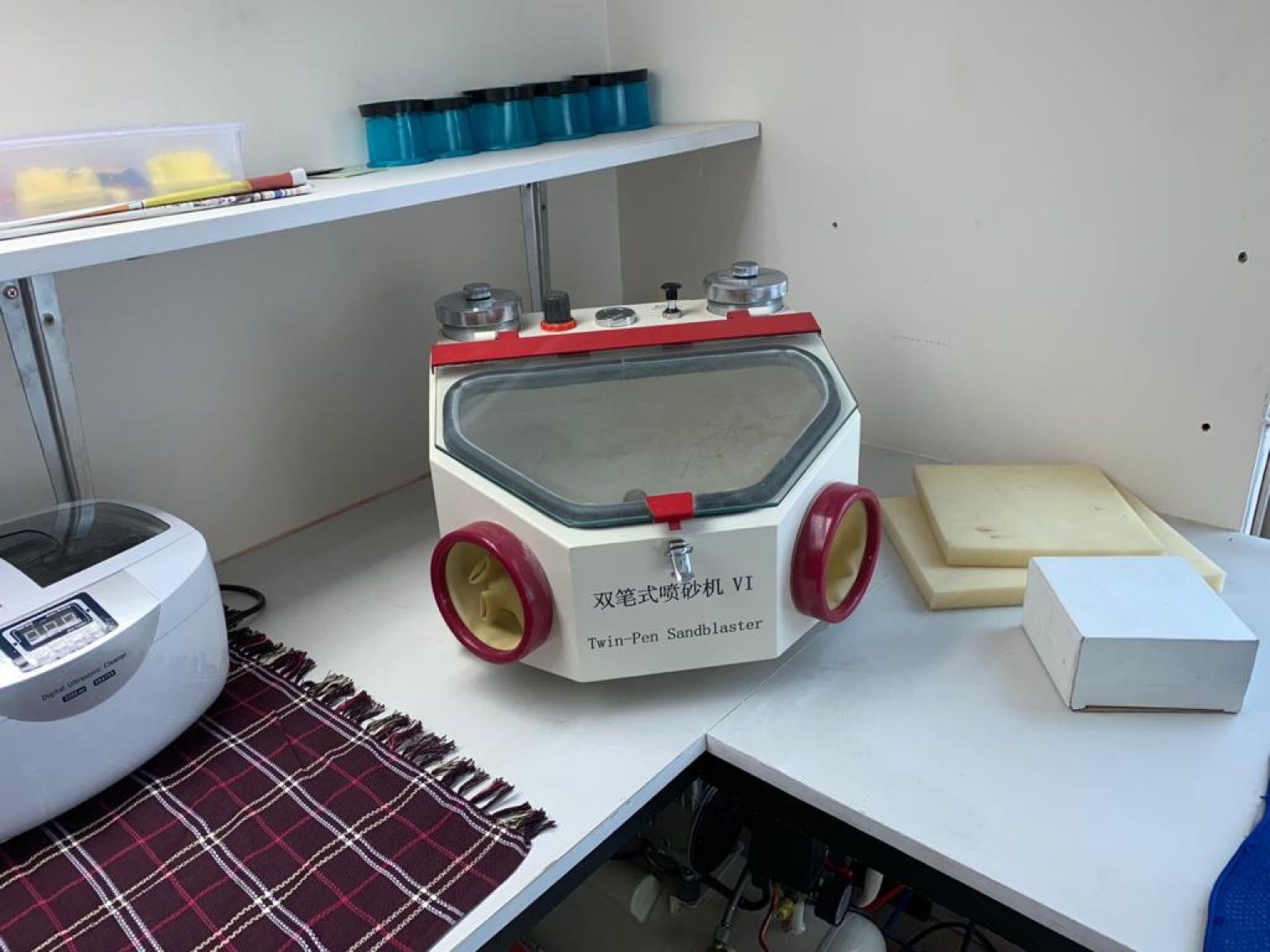
Visual Overview
Common Questions
Is a biopsy painful?
The procedure is done under local anaesthesia and is no more uncomfortable than a filling. Mild soreness for a day or two afterwards is normal.
What types of lesions require biopsy?
Persistent ulcers, white or red patches (leukoplakia/erythroplakia), unexplained lumps, fibrous growths, and any suspicious tissue change that does not resolve within 2–3 weeks.
Key Benefits
- Incisional and excisional biopsy
- Performed under local anaesthesia
- Rapid laboratory analysis
- Results reviewed with specialist
- Clear treatment pathway based on findings
Ready to get started?
Our team is ready to help you achieve the smile you deserve.
Book Appointment Contact UsOther Services
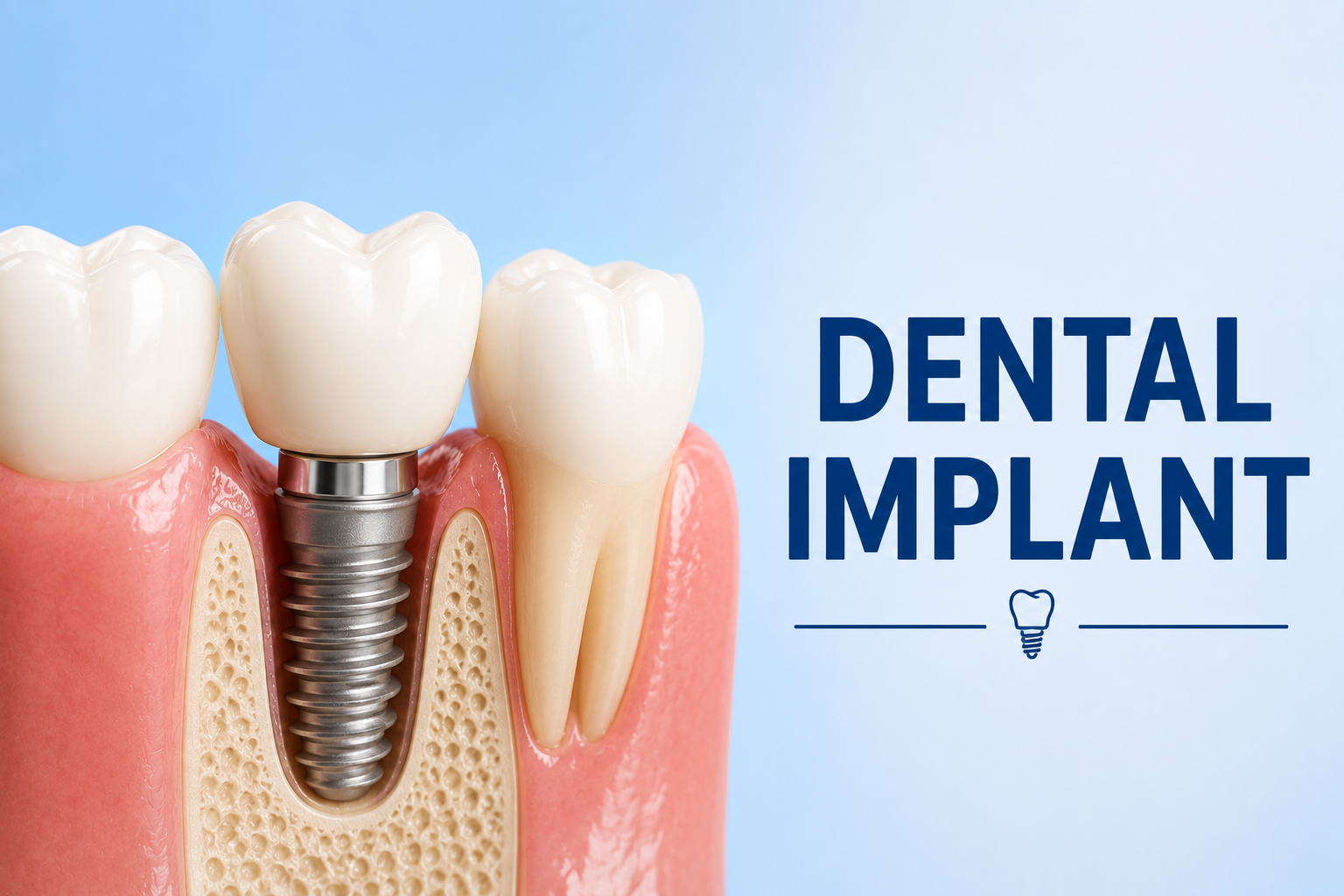
Dental Implant
Replace missing teeth permanently with OSSTEM and Nobel Bio Care implants — the most natural-looking and long-lasting tooth replacement available.
Smile Design
Comprehensive aesthetic dental treatments that improve the color, shape, alignment, and overall appearance of your smile.
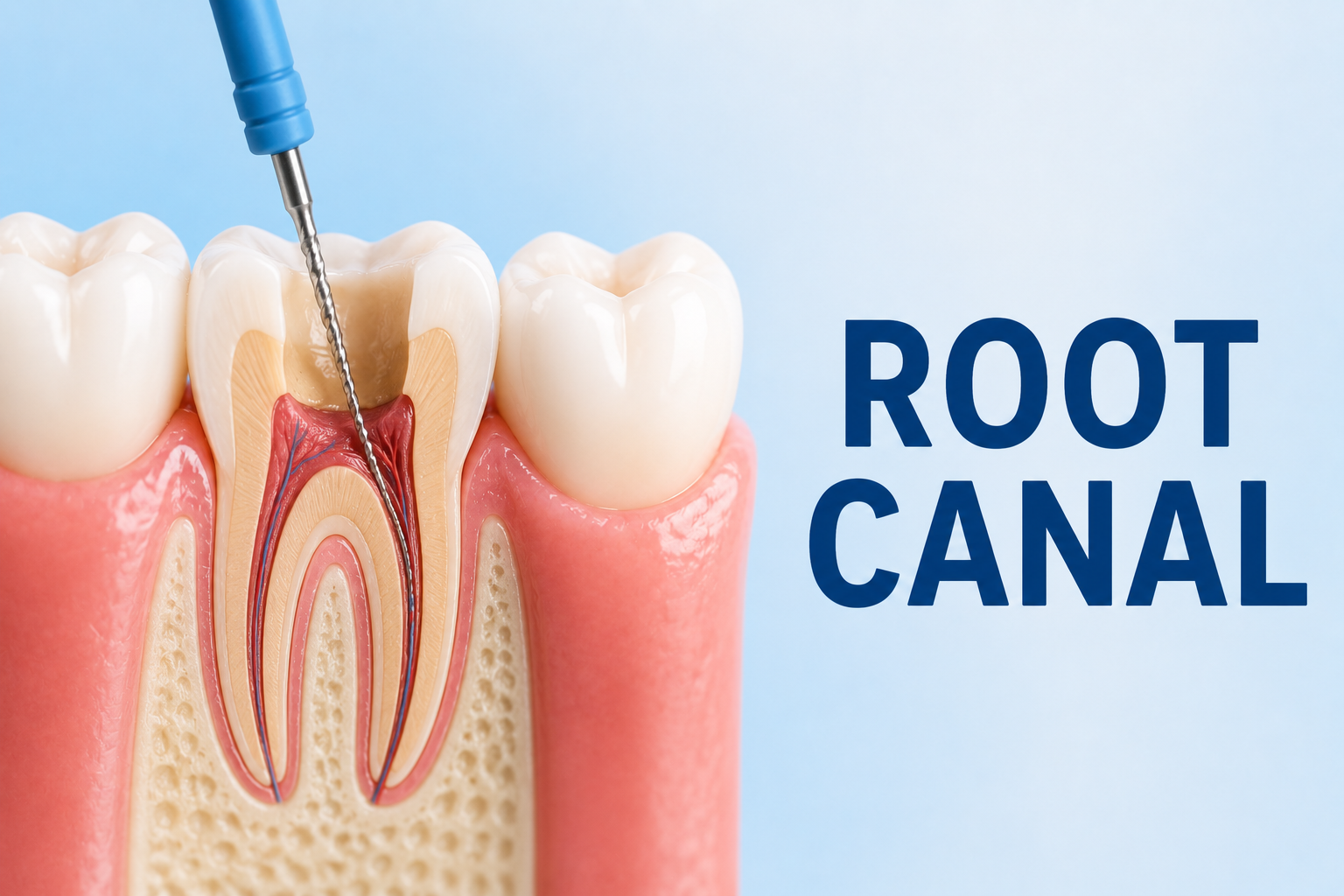
Root Canal Treatment
Save an infected or severely damaged tooth with painless root canal therapy using advanced rotary endodontic technology.
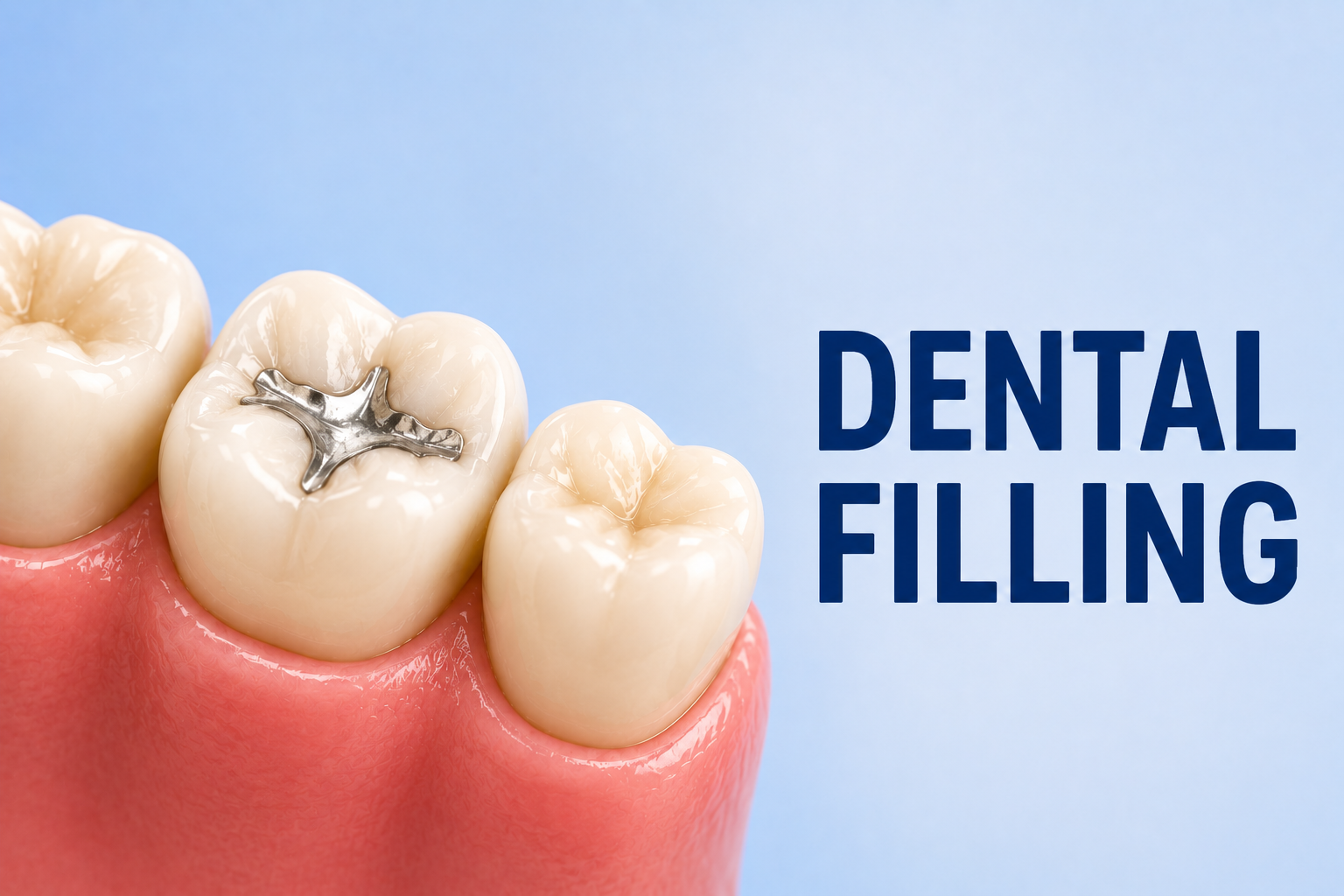
Dental Fillings
Restore decayed or damaged teeth with tooth coloured composite fillings that look and feel completely natural.
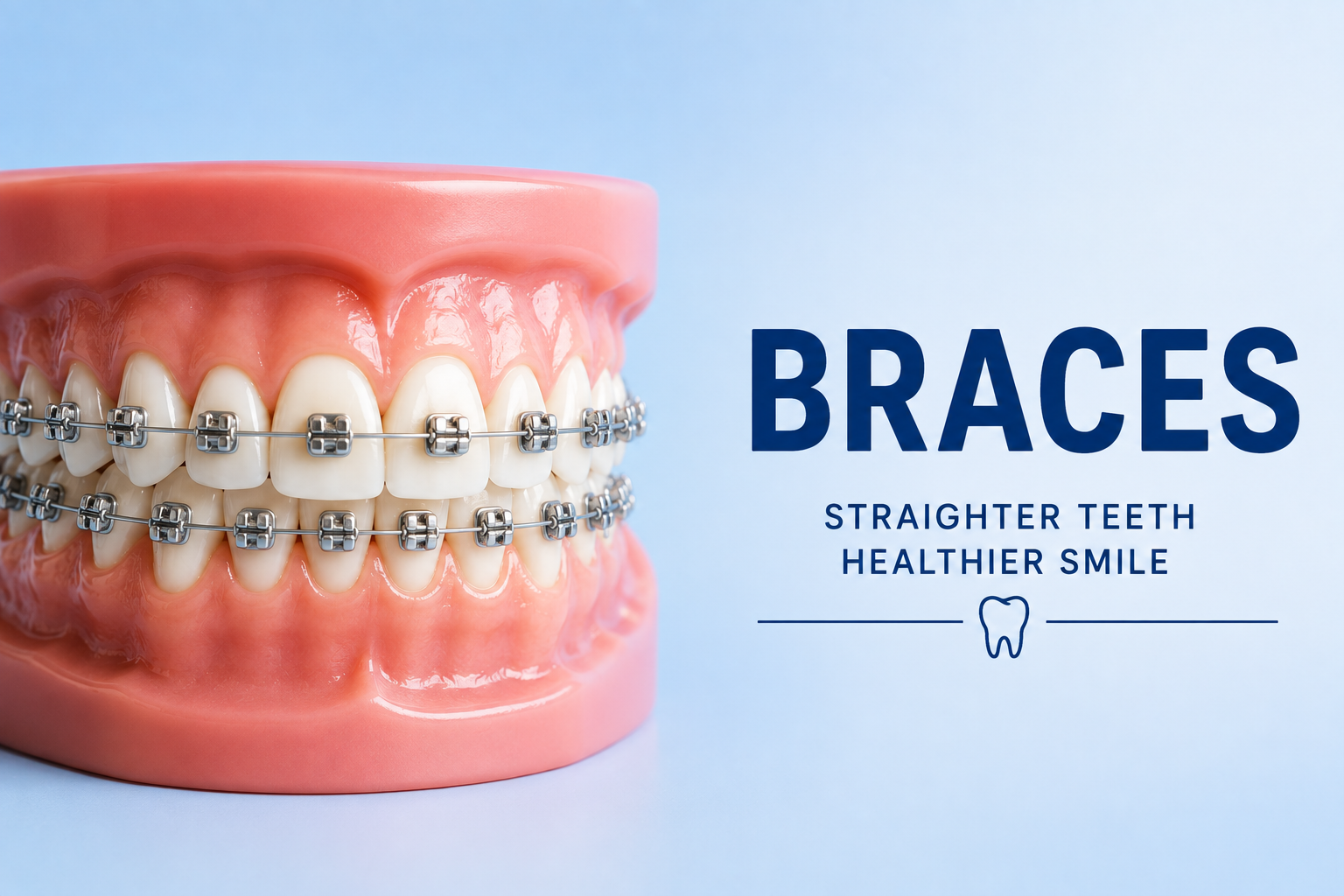
Orthodontic Treatment (Braces)
Early detection, biopsy, and surgical management of oral pre-cancerous lesions and oral cancer — with specialist care and multidisciplinary support.